What Types of Insurance Are Needed for Construction Projects?
Every construction project, big or small, comes with risk. From property damage and worker injuries to design errors and job-site theft, one accident can delay a project, drain profits, and damage your company’s reputation.
Whether you’re a general contractor, subcontractor, or project owner, having the right insurance coverage in place is crucial. It protects your business, your workers, and your clients when things don’t go according to plan.
In this article, we’ll break down the essential types of insurance for construction projects, what each covers, and how to make sure your business is fully protected from start to finish.
1. General Liability Insurance
What it covers: General liability insurance protects against third-party claims for:
- Property damage (e.g., damaging a client’s existing structure)
- Bodily injury (e.g., someone gets hurt on-site)
- Personal and advertising injury (e.g., defamation or copyright issues)
Why it’s essential:
This is the foundation of every contractor’s insurance program. It’s usually required by project owners, lenders, and licensing boards, and it’s often the first policy clients ask to see proof of.
Example:
A subcontractor accidentally damages a finished wall while moving equipment. The general liability policy pays for repairs, preventing the incident from eating into profit margins.
2. Workers’ Compensation Insurance
What it covers: Workers’ compensation covers medical expenses, lost wages, and rehabilitation costs if an employee is injured or becomes ill while working on the job.
Why it’s essential: Construction sites are high-risk environments. Even with strong safety measures, accidents happen. Most states legally require workers’ comp coverage for any business with employees.
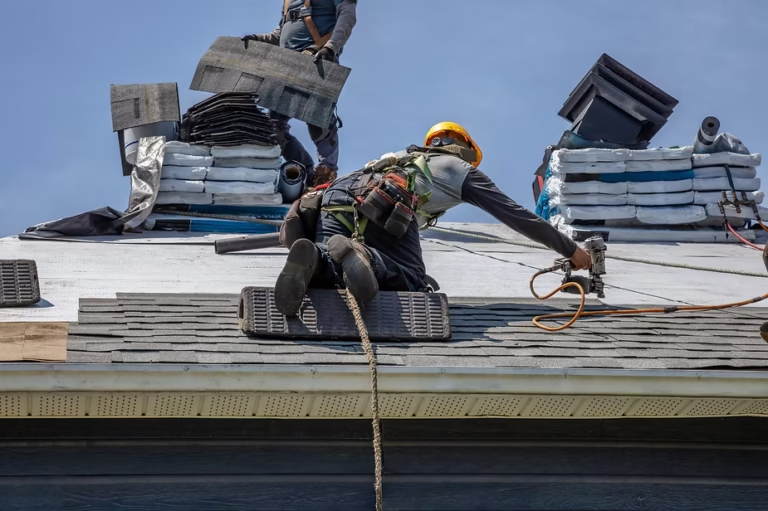
Example: A carpenter slips from scaffolding and breaks an arm. Workers’ compensation covers hospital bills and partial wage replacement while they recover.
3. Builder’s Risk Insurance
What it covers: Builder’s risk insurance, sometimes called “course of construction” insurance, covers buildings and materials during the construction phase. It protects against losses from:
- Fire
- Theft
- Vandalism
- Weather damage (like wind or hail)
Why it’s essential: Until a project is completed, it’s vulnerable. Builder’s risk ensures you can replace stolen or damaged materials quickly and keep the project on schedule.
Example:
A storm destroys partially installed roofing materials. Builder’s risk insurance pays for replacement costs, helping the project stay on track.
4. Commercial Auto Insurance
What it covers: If your business uses vehicles for transporting materials, tools, or employees, commercial auto insurance is a must. It covers:
- Accidents
- Property damage
- Bodily injury
- Vehicle theft or vandalism
Why it’s essential: Personal auto policies typically don’t cover vehicles used for business. If your work truck is involved in an accident while hauling materials, you could be personally liable without proper coverage.
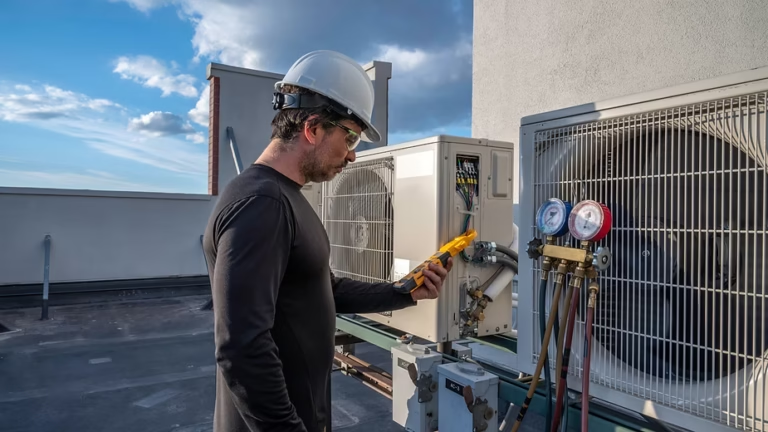
Example: A company van rear-ends another vehicle while delivering HVAC units. Commercial auto insurance covers repairs and medical costs.
5. Inland Marine (Tools & Equipment) Insurance
What it covers:
Also known as “contractor’s equipment insurance,” inland marine protects your tools, machinery, and materials while they’re being transported or stored off-site.
Why it’s essential:
Tools and heavy equipment are among the most common losses in construction due to theft and damage. Inland marine coverage ensures you can repair or replace them quickly.
Example:
A generator is stolen from a job site overnight. Inland marine coverage pays for a replacement, minimizing downtime.
6. Professional Liability (Errors & Omissions) Insurance
What it covers:
Professional liability, also called Errors and Omissions (E&O), protects contractors, engineers, architects, and consultants from claims of negligence, design errors, or failure to deliver promised results.
Why it’s essential:
As construction projects become more complex, the risk of design or project management errors grows. Even small mistakes can lead to costly delays or rework.
Example:
An engineering consultant provides incorrect load calculations, requiring structural redesign. E&O coverage pays for defense costs and damages.
7. Umbrella Liability Insurance
What it covers:
Umbrella insurance adds an extra layer of protection beyond your general liability, auto, and employer’s liability limits.
Why it’s essential:
Large construction projects often involve high-dollar contracts and potential liability exposures. Umbrella policies step in when claim costs exceed the limits of your primary policies.
Example:
A job site accident results in a $2 million settlement, but your general liability policy only covers $1 million. The umbrella policy covers the remaining balance.
8. Commercial Property Insurance
What it covers:
If you own a physical location, like an office, warehouse, or storage yard, commercial property insurance protects your building and its contents from damage due to:
- Fire
- Theft
- Vandalism
- Natural disasters
Why it’s essential:
This ensures your base of operations and equipment are safeguarded, allowing business continuity even after unexpected events.
9. Surety Bonds (Bonus Protection for Projects)
What it is:
While not technically insurance, surety bonds are often required for construction projects. They guarantee that your company will complete the project as agreed and fulfill all contractual obligations.
Why it’s important:
Surety bonds build trust with clients and can help you qualify for larger, more lucrative projects.
How to Build a Complete Construction Insurance Program
Every construction business is unique. The right combination of policies depends on your role, size, and scope of work:
| Role | Must-Have Coverages | Optional Add-Ons |
| General Contractor | General Liability, Workers’ Comp, Builder’s Risk, Auto, Umbrella | E&O, Pollution Liability |
| Subcontractor | General Liability, Workers’ Comp, Tools & Equipment | Auto, E&O |
| Project Owner | Builder’s Risk, General Liability | Owner’s Protective Liability |
| Consultant/Engineer | E&O, General Liability | Cyber Liability |
Working with an insurance advisor who specializes in construction helps ensure there are no gaps in coverage that could leave you exposed.
Protect Every Project from the Ground Up
Construction projects involve many moving parts, and just as many risks. Having the right insurance isn’t just about compliance; it’s about protecting your business, employees, and reputation from unexpected setbacks.
From general liability and workers’ comp to builder’s risk and E&O coverage, a comprehensive insurance plan gives you the confidence to focus on what matters most, delivering quality work on time and on budget.
Ready to protect your next construction project? Get a customized insurance quote today and find out how much you can save.