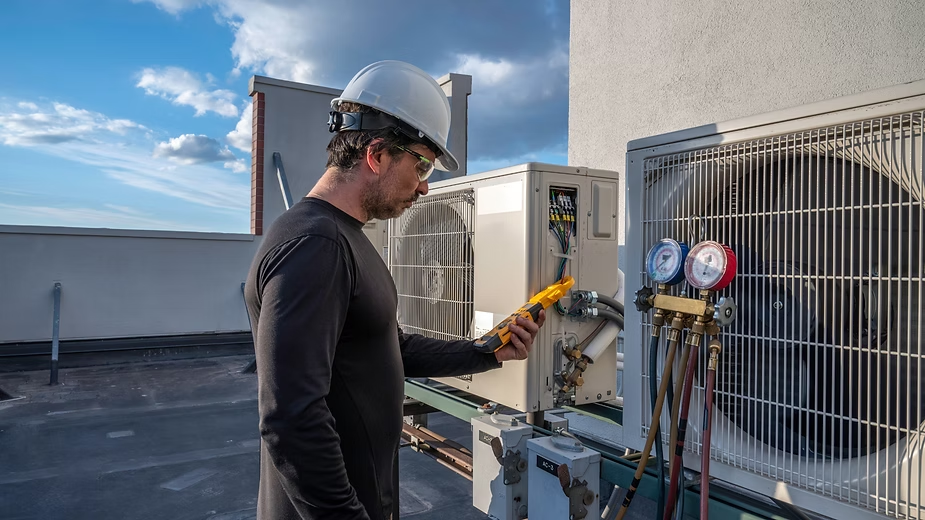
What is General Liability for HVAC Contractors and Why Do They Need It?
Running an HVAC company isn’t just about keeping customers comfortable. Every day, your team faces risks like slipping on wet floors, accidentally damaging a customer’s property, or being named in a lawsuit after a job goes wrong. Even a small mistake can cost tens of thousands of dollars and put years of hard work at risk.
That’s where general liability insurance for HVAC contractors comes in. This essential coverage protects your business from costly claims, helps you meet licensing requirements, and reassures customers that they’re hiring a professional.
In this article, we’ll break down exactly what general liability covers, why HVAC contractors need it, and how to find the right protection for your business.
What is General Liability Insurance for HVAC Contractors?
General liability insurance is the foundation of an HVAC contractor’s risk management plan. It protects against the most common third-party claims your business can face, including:
- Property damage – Example: A technician accidentally cracks a homeowner’s hardwood flooring while moving an air handler.
- Bodily injury – Example: A customer trips over tools left on the job site and suffers a broken wrist.
- Completed operations – Example: Weeks after an installation, a poorly sealed connection causes water damage.
- Advertising injury – Example: A competitor claims your company’s ad campaign uses their copyrighted material.
What it doesn’t cover:
- Employee injuries (covered by workers’ compensation).
- Damage to your own tools, vehicles, or equipment.
- Professional errors, like design mistakes (covered by professional liability or E&O insurance).
Think of general liability as your first line of defense against unpredictable events that could derail your HVAC business.
Why Do HVAC Contractors Need General Liability Insurance?
Protecting Your Business from Costly Claims
The average premises liability claim in the U.S. exceeds $30,000. For small and mid-sized HVAC companies, a single uninsured claim could wipe out profits for the year or even force a business to close its doors.
General liability ensures these costs don’t come out of your pocket. The policy pays for:
- Legal defense fees
- Settlements and judgments
- Medical expenses for injured third parties
- Repair or replacement costs for damaged property
Meeting Licensing & Contract Requirements
In many states, proof of general liability insurance is required before an HVAC contractor can be licensed. Even if your state doesn’t mandate it, most general contractors, property managers, and commercial clients will refuse to hire subcontractors who aren’t insured.
Building Trust with Clients
Homeowners and commercial property owners want assurance that if something goes wrong, they won’t be left with the bill. Presenting a certificate of insurance shows professionalism and sets you apart from uninsured competitors.
Insurance is more than protection; it’s a marketing advantage that can help you win more contracts.
Real-World Examples: How Liability Insurance Protects HVAC Companies
- Case Study 1 (Damaged Property): An HVAC tech in Florida accidentally punctured a client’s roof while installing ductwork, causing over $18,000 in water damage. The contractor’s general liability policy covered repairs, avoiding financial disaster and preserving the company’s reputation.
- Case Study 2 (Customer Injury): During a maintenance visit, condensation pooled on the floor. A homeowner slipped, fractured an ankle, and filed a claim for medical bills. The HVAC contractor’s liability coverage paid more than $22,000 in expenses, preventing a costly lawsuit.
- Case Study 3 (Completed Operations): A newly installed unit leaked refrigerant weeks later, damaging drywall and flooring. Liability insurance covered repairs and cleanup costs, which totaled nearly $10,000.
These scenarios show how quickly accidents happen and why coverage is essential.
How Much Does General Liability Cost for HVAC Contractors?
The cost of general liability insurance varies based on several factors:
- Business size and revenue – Larger operations face higher exposure.
- Number of employees – More workers mean more job site risk.
- Claims history – Previous claims can increase premiums.
- State regulations – Requirements and costs differ by region.
Considering that one claim can easily exceed $20,000, this investment is minimal compared to the financial protection it provides.
Choosing the Right Insurance Partner
Not all insurance policies are created equal. To get the best protection, work with an agency that:
- Specializes in contractor insurance – Industry knowledge ensures you’re not paying for unnecessary coverage.
- Understands state licensing rules – Avoid delays and compliance issues.
- Shops multiple carriers – Competitive quotes mean better pricing.
- Provides ongoing support – As your business grows, your insurance needs change.
General Liability is Just the Start
While general liability is essential, it doesn’t cover everything. Most HVAC contractors also need:
- Commercial Auto Insurance – Protects company vehicles and drivers.
- Workers’ Compensation – Required in most states to cover employee injuries.
- Tools & Equipment Coverage (Inland Marine) – Covers expensive HVAC equipment on job sites.
- Umbrella Insurance – Provides extra liability protection beyond policy limits.
Combining these coverages creates a comprehensive insurance program that shields your HVAC business from all sides.
Protect Your HVAC Business Today
General liability insurance isn’t just another expense—it’s an investment in your company’s survival and growth. It shields you from costly claims, keeps you compliant with licensing requirements, and reassures your clients that they’re working with a true professional.
Whether you’re a one-truck operation or managing multiple crews, the risks are too high to go without protection.
Don’t wait until after a claim to get covered. Contact us to get a tailored insurance quote and join the hundreds of contractors that are saving with us today.